


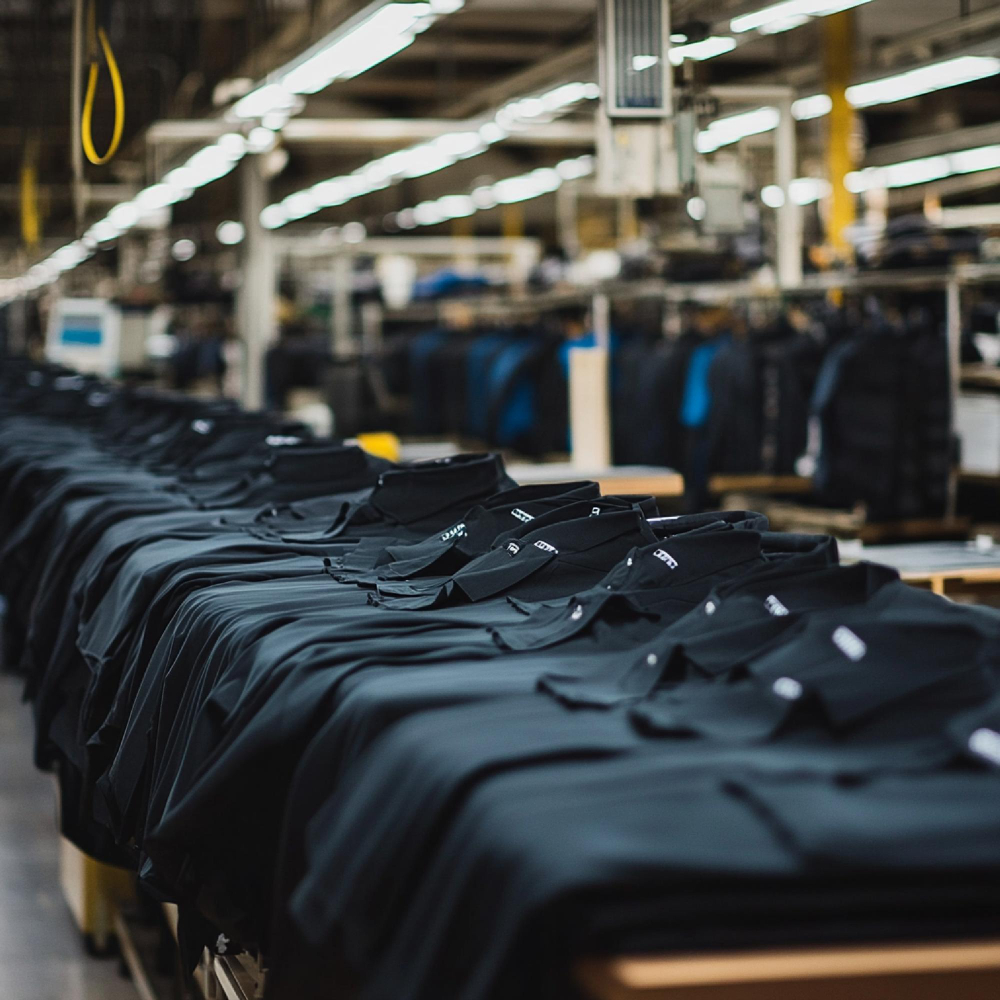
Activewear is more than regular clothing with a sporty design.
People expect workout clothing to provide comfort, flexibility, durability, breathability, and freedom of movement. For brands, this means choosing the right fabric and construction method is an important part of activewear manufacturing.
The right combination of performance fabric, fit, pattern, stitching, customization, and quality control can make a major difference in the final product.
So, how does activewear manufacturing work?
It starts with understanding the purpose of the garment, selecting a suitable performance fabric, developing the design and pattern, creating samples, testing the product, and then moving into bulk production.
What Is Activewear Manufacturing?
Activewear manufacturing is the process of designing and producing clothing intended for exercise, sports, fitness, training, and other physical activities.
Examples include:
- Gym wear
- Workout tops
- Leggings
- Sports shorts
- Tracksuits
- Training shirts
- Athletic jerseys
- Fitness hoodies
- Running apparel
- Sports jackets
- Custom teamwear
Unlike ordinary casual clothing, activewear needs to support movement and physical activity.
The manufacturing process therefore needs to consider fabric performance, stretch, weight, comfort, moisture management, durability, and construction.
Steve Apparel manufactures fitness and sportswear and states that brands can provide reference sketches, images, or design files before moving through sampling and production.
Why Is Fabric Important in Activewear Manufacturing?
Fabric is one of the most important decisions when creating activewear.
The wrong fabric can affect:
- Comfort
- Stretch
- Breathability
- Weight
- Durability
- Moisture management
- Appearance
- Fit
- Performance during movement
Steve Apparel’s existing sports fabric guide highlights factors such as design, durability, fabric weight, comfort, resistance, moisture absorption, customization, and pricing when selecting activewear materials.
The best fabric depends on what the garment is designed to do.
How to Choose Performance Fabrics for Activewear
There is no single fabric that works for every type of sportswear.
Before selecting a fabric, consider the product’s purpose.
1. Consider the Type of Activity
Different activities create different clothing requirements.
For example:
Running: Lightweight and breathable materials may be important.
Gym training: Stretch, comfort, durability, and moisture management may be priorities.
Outdoor sports: Durability and weather resistance may become more important.
Yoga: Stretch and softness can be particularly important.
Team sports: Durability, movement, and customization may be key considerations.
2. Consider Fabric Weight
Fabric weight affects how the garment feels and performs.
Lightweight fabrics can be useful for:
- Running
- Training
- Summer sports
- High-intensity workouts
Heavier fabrics may be more suitable for:
- Training jackets
- Sweatshirts
- Cold-weather sportswear
- Lifestyle activewear
The fabric weight should match the intended use rather than simply being selected based on price.
3. Look for the Right Stretch
Stretch is important for garments that need to support movement.
Stretch fabrics can be useful for:
- Leggings
- Compression wear
- Training tops
- Cycling apparel
- Yoga clothing
- Performance shorts
Spandex/elastane is commonly used when additional stretch is required. Steve Apparel’s sports fabric guide discusses spandex for activewear because of its flexibility and stretch characteristics.
4. Consider Moisture Management
People sweat during exercise, so activewear needs to handle moisture appropriately.
Depending on the fabric, moisture can be:
- Absorbed
- Moved away from the skin
- Spread across the fabric
- Dried quickly
For performance clothing, brands should discuss moisture-management requirements with their manufacturer before selecting the final fabric.
Common Fabrics Used in Activewear
Polyester
Polyester is widely used in sportswear because of its durability, lightweight nature, and ability to dry relatively quickly.
It can also work well with certain performance printing methods.
Steve Apparel’s fabric content identifies polyester as a common material for sportswear and athletic clothing.
Nylon
Nylon is another popular choice for sportswear.
It can offer:
- Stretch
- Durability
- Quick drying
- Comfortable feel
- Water resistance in some constructions
Steve Apparel’s sports fabric guide discusses nylon as a material used for products such as gym wear, jackets, tracksuits, and windbreakers.
Spandex / Elastane
Spandex is commonly added to other fibers when a garment needs more stretch.
It can be useful for:
- Leggings
- Compression clothing
- Fitted workout tops
- Sports shorts
Cotton Blends
Cotton can provide a soft and comfortable feel, while blending it with synthetic fibers can change properties such as durability, drying behavior, and performance.
The right blend depends on the product’s purpose.
How Is Sportswear Constructed?
Once the fabric has been selected, the next step is turning the design into a physical garment.
A typical process includes:
Design → Pattern → Fabric Selection → Sample → Cutting → Sewing → Customization → Quality Check → Finishing → Packaging
Steve Apparel describes a manufacturing process that includes fabric selection, cut and sewing, customization, labeling, packaging, and shipment.
1. Pattern Development
The pattern determines how individual fabric pieces will be shaped and assembled.
A well-developed pattern helps control:
- Fit
- Measurements
- Shape
- Proportions
- Movement
- Size grading
Steve Apparel’s cut-and-sew service describes customizable patterns and adjustments designed to achieve the required fit across sizes.
2. Create a Tech Pack
A tech pack gives the manufacturer detailed information about the product.
It may include:
- Measurements
- Fabric specifications
- Colors
- Construction details
- Artwork
- Labels
- Stitching instructions
- Size grading
- Placement details
A detailed tech pack can reduce misunderstandings during production.
Steve Apparel provides technical-pack services involving design, measurements, fabric details, and production requirements.
3. Develop a Sample
Before bulk production, brands should review a physical sample.
The sample allows you to check:
- Fit
- Fabric
- Measurements
- Stretch
- Color
- Stitching
- Print placement
- Overall appearance
Steve Apparel states that it develops samples for approval before bulk production.
4. Cutting and Sewing
After approval, the fabric is prepared and cut according to the approved pattern.
The cut pieces are then sewn together.
For performance clothing, construction quality matters because seams may experience repeated movement and stress.
Steve Apparel describes sorting cut pieces by size, color, and quantity before sewing and assembling the garment.
5. Add Customization
Activewear brands can customize their products through:
- Screen printing
- Digital printing
- Sublimation
- Embroidery
- Labels
- Branding
- Custom colors
- Special trims
The best customization method depends on the fabric and design.
Steve Apparel offers customization options including printing, embroidery, labeling, and other apparel finishing services.
6. Quality Control
Quality control should cover more than appearance.
Brands should review:
- Fabric quality
- Measurements
- Stitching
- Seam construction
- Print quality
- Color consistency
- Labels
- Finishing
- Packaging
Steve Apparel states that its cut-and-sew production includes multiple quality checks before shipment.
What Should Brands Ask an Activewear Manufacturer?
Before choosing an activewear manufacturer, ask:
- What activewear products do you manufacture?
- Which performance fabrics are available?
- Can you develop custom fabrics?
- Can you create samples?
- Do you provide tech-pack support?
- Which printing methods are available?
- What quality checks are performed?
- What is the MOQ?
- What is the production timeline?
- Can you handle repeat production?
Getting clear answers before production can reduce costly mistakes.
Activewear Manufacturing Checklist
Before placing a bulk order, confirm:
- Product design
- Target activity
- Fabric composition
- Fabric weight
- Stretch requirements
- Color
- Measurements
- Size grading
- Artwork
- Labels
- Sample approval
- Quality requirements
- Packaging
- Production timeline
Build Your Activewear Line With Steve Apparel
Creating successful sportswear starts with more than choosing a fashionable design. Your fabric, fit, construction, customization, sampling, and quality control all need to work together.
Steve Apparel provides custom fitness and sportswear manufacturing, including fabric selection, sampling, cut-and-sew production, customization, labeling, packaging, and bulk production.
Ready to develop your activewear collection? Share your design or product requirements with Steve Apparel and start developing your custom sportswear line.
FAQs
What is activewear manufacturing?
Activewear manufacturing is the process of producing clothing designed for fitness, sports, exercise, training, and physical activity.
What fabrics are commonly used for activewear?
Common activewear fabrics include polyester, nylon, spandex/elastane, and different fabric blends. The right choice depends on the garment’s intended use.
How do I choose fabric for my activewear brand?
Consider the activity, stretch, weight, comfort, durability, moisture management, design, and target price before selecting a fabric.
Why is stretch important in sportswear?
Stretch allows garments to move with the wearer. It is especially important for fitted products such as leggings, compression wear, and training apparel.
Should I order an activewear sample before bulk production?
Yes. A sample allows you to review fit, fabric, measurements, construction, and customization before committing to bulk production.
Can activewear be customized?
Yes. Activewear can be customized through fabric selection, colors, patterns, printing, embroidery, labels, and other design details.