


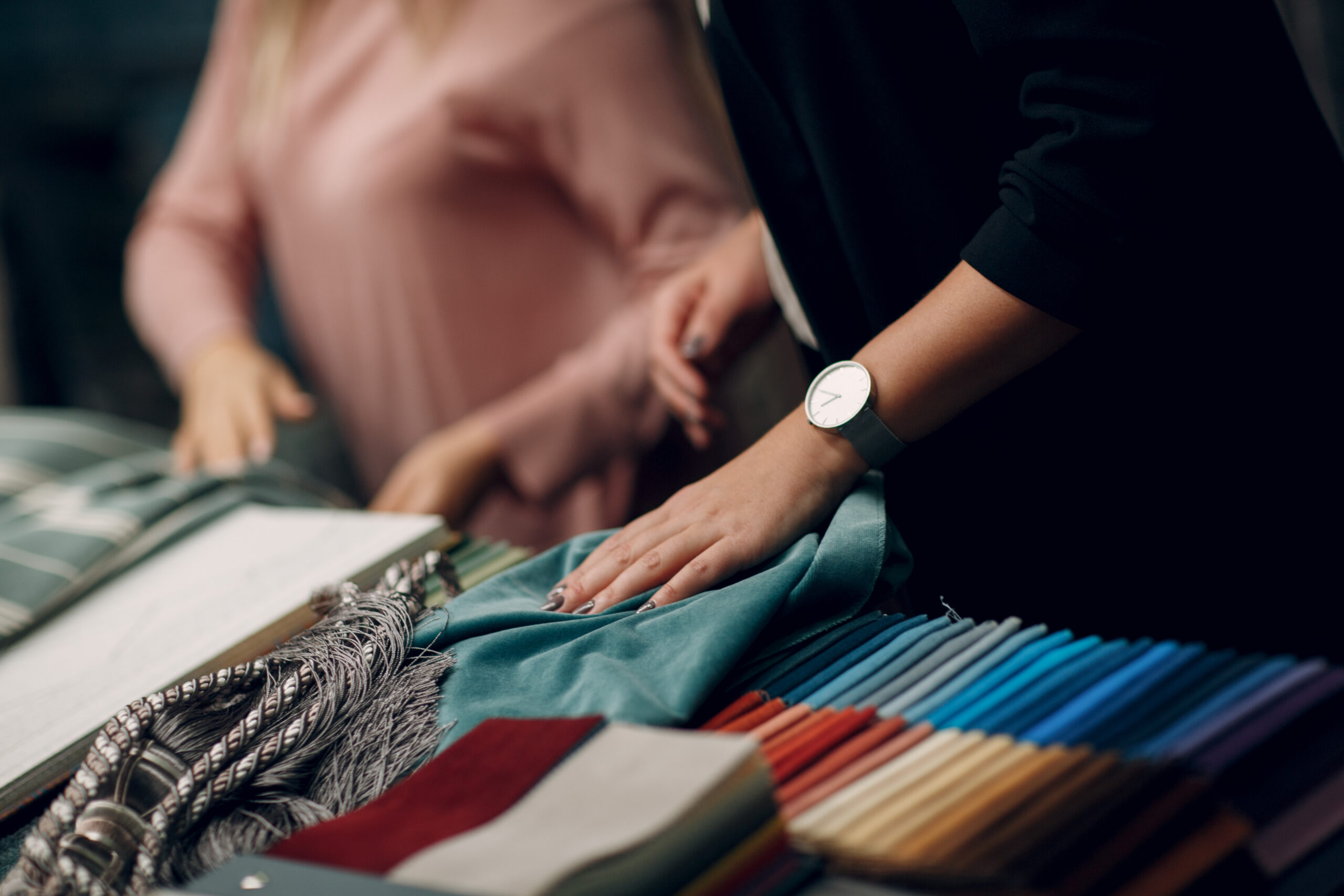
Choosing the right fabric is one of the most important decisions when creating custom clothing. Fabric affects the garment’s comfort, appearance, weight, durability, fit, and overall performance.
A design may look great on paper, but the wrong fabric can change how the final garment feels and performs. This is why brands should consider fabric selection early in the clothing manufacturing process.
A professional custom clothing manufacturer can help brands match the fabric with the garment type, design, fit, and intended use. Steve Apparel, for example, includes fabric selection as an early step in its manufacturing process before cut-and-sew production begins.
What Is Fabric Selection in Custom Clothing Manufacturing?
Fabric selection is the process of choosing the material that will be used to manufacture a garment.
The right fabric depends on several factors, including:
- Type of clothing
- Intended use
- Desired fit
- Fabric weight
- Comfort
- Durability
- Stretch
- Breathability
- Appearance
- Printing or embroidery requirements
- Target customer
A T-shirt, hoodie, sportswear set, and pair of jeans may all require very different fabrics.
How to Choose Fabric for Custom Clothing
1. Start With the Type of Garment
The first step is to identify what you are manufacturing.
For example:
- T-shirts may require lightweight or medium-weight fabrics.
- Hoodies may need heavier fabrics for warmth and structure.
- Activewear may require fabrics that support movement and performance.
- Jeans require denim with the right weight, stretch, and durability.
- Streetwear may require heavier fabrics depending on the desired silhouette.
The garment should guide the initial fabric selection.
2. Consider Fabric Weight
Fabric weight can affect the structure and feel of the finished garment.
A lightweight fabric can create a softer and more breathable garment, while a heavier fabric can provide more structure and warmth.
Brands should avoid selecting fabric based only on appearance. The fabric weight should also match the design and intended use.
3. Think About Comfort
Comfort is important for almost every clothing category.
Consider:
- Softness
- Breathability
- Stretch
- Weight
- Texture
- Moisture management where relevant
- How the fabric feels against the skin
For everyday clothing, comfort may be one of the main product requirements.
4. Consider Durability
A fabric should be suitable for the expected use of the garment.
For example, clothing designed for regular workouts may need different performance characteristics from casual clothing.
Ask your clothing manufacturer about:
- Fabric strength
- Expected wear
- Shrinkage
- Color stability
- Wash performance
- Construction requirements
Testing the sample before bulk production can help identify potential issues.
5. Consider Stretch and Recovery
Stretch is particularly important for fitted garments and activewear.
A fabric with suitable stretch can help the garment move with the wearer. Recovery is also important because the fabric should return toward its original shape after being stretched.
The amount and type of stretch should match the garment’s design.
6. Consider Printing and Embroidery
Your decoration method can also influence fabric selection.
Screen printing, embroidery, sublimation, and other customization methods may work differently depending on the fabric.
For example, a brand planning large embroidered graphics should discuss fabric stability and construction with its manufacturer before production.
Steve Apparel provides customization options as part of its clothing manufacturing process, following fabric selection and cut-and-sew production.
Fabric Selection Questions to Ask a Clothing Manufacturer
Before approving a fabric, ask:
- What fabric is suitable for this garment?
- What is the fabric weight?
- Does the fabric have stretch?
- How does it perform after washing?
- Will the fabric shrink?
- Is the fabric suitable for my printing method?
- Is the fabric suitable for embroidery?
- Can the same fabric be sourced for future production?
- Can I review a sample before bulk production?
- What fabric alternatives are available?
These questions can help reduce mistakes before bulk manufacturing.
Why Fabric Sampling Matters
A fabric may look different in a catalog, photograph, or swatch compared with the final garment.
A sample allows brands to evaluate:
- Fabric feel
- Weight
- Color
- Fit
- Stretch
- Garment structure
- Printing
- Embroidery
- Overall appearance
Steve Apparel develops samples before bulk production and starts bulk manufacturing after sample approval.
Common Fabric Selection Mistakes
Choosing Fabric Only Because It Looks Good
Appearance is important, but it should not be the only factor.
A fabric should also match the garment’s purpose.
Ignoring Fabric Weight
The wrong weight can change the garment’s fit, drape, and overall appearance.
Not Testing the Sample
Skipping sample evaluation can create problems during bulk production.
Selecting Fabric Without Considering Decoration
Printing and embroidery should be considered before finalizing the material.
Choosing the Cheapest Fabric
Lower cost does not always mean better value. The fabric should meet the product’s quality and performance requirements.
Fabric Selection Checklist for Clothing Brands
Before approving fabric, check:
- Garment type
- Fabric composition
- Fabric weight
- Stretch
- Comfort
- Durability
- Color
- Shrinkage
- Washing performance
- Printing compatibility
- Embroidery compatibility
- Sample approval
- Future availability
How Steve Apparel Helps With Fabric Selection
Steve Apparel includes fabric selection in its custom clothing manufacturing workflow. Its team helps customers select fabric before the garment moves into cut-and-sew production. The company also provides sampling, customization, labeling, packaging, and shipment as part of its manufacturing services.
This allows brands to work through fabric and production requirements with a manufacturer before moving into bulk production.
Final Thoughts
The right fabric can have a major impact on the quality and performance of custom clothing.
Instead of choosing fabric based only on price or appearance, brands should consider the garment type, weight, comfort, durability, stretch, decoration method, and intended use.
Working with an experienced custom clothing manufacturer can also make the fabric selection process easier and more structured.
Ready to Choose the Right Fabric for Your Clothing Line?
Steve Apparel helps brands with custom clothing manufacturing, fabric selection, sampling, cut-and-sew production, customization, labeling, packaging, and shipment.
If you have a clothing idea, design, or product concept, discuss your requirements with Steve Apparel and develop your product with the right fabric from the start.
FAQs
What is the best fabric for custom clothing?
There is no single best fabric for every garment. The right fabric depends on the clothing type, design, intended use, comfort requirements, and desired performance.
How do I choose fabric for my clothing brand?
Start with the garment type and intended use. Then compare fabric composition, weight, stretch, comfort, durability, appearance, and customization requirements.
Should I get a fabric sample before bulk production?
Yes. Reviewing samples can help you evaluate the fabric and finished garment before committing to bulk production.
Does fabric affect clothing manufacturing cost?
Yes. Fabric type, quality, weight, availability, customization, and quantity can all affect the overall production cost.
Can a clothing manufacturer help me choose fabric?
Yes. A custom clothing manufacturer can help match fabric options with your garment design and production requirements.