


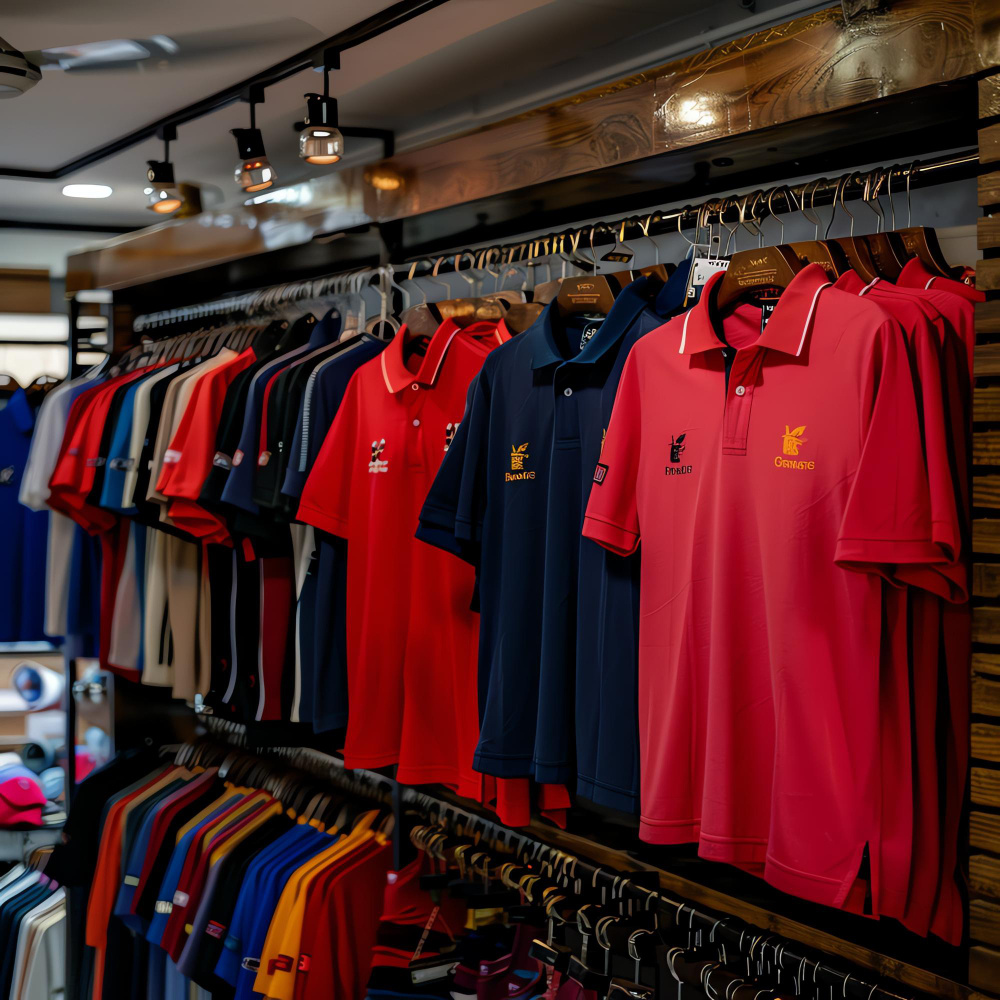
Finding the right custom polo shirt manufacturer can make or break your product line. A good supplier delivers consistent quality, meets deadlines, and communicates clearly. A poor one causes costly delays, inconsistent sizing, and damaged brand reputation.
This sourcing guide walks you through everything brand owners should evaluate before signing with a polo shirt manufacturer — from fabric quality and collar construction to MOQs, sampling, and pricing transparency.
1. Start With Fabric Quality
Fabric is the foundation of every polo shirt. Before discussing price, confirm the fabric type, weight, and composition your manufacturer will use.
Key questions to ask:
- What is the GSM (grams per square meter) of the fabric?
- Is it piqué, jersey, or a performance blend?
- What is the fiber composition (100% cotton, cotton-poly blend, polyester)?
- Will the fabric shrink after washing?
Standard reference points:
- Piqué cotton (200–240 GSM): Classic polo structure, breathable, holds shape well
- Jersey knit: Softer and lighter, but less structured
- Performance blends: Moisture-wicking, ideal for sportswear and corporate uniforms
A reputable manufacturer will provide fabric swatches and wash-test results before production.
2. Evaluate Collar & Placket Construction
The collar is where cheap polo shirts fail. Look for:
- Flat-knit rib collars — retain shape and resist curling after washing
- Reinforced plackets — stitched cleanly with consistent button spacing
- Matching shrinkage rates between collar and body fabric to prevent curling
Ask the manufacturer how they construct collars and request close-up photos or physical samples.
3. Confirm MOQ (Minimum Order Quantity)
MOQs vary widely between manufacturers. Clarify:
- Is the MOQ per style, per color, or per size?
- Does the MOQ change for custom fabrics or trims?
- Are there lower MOQs for sampling or small test runs?
Transparent manufacturers explain their MOQ logic clearly — it often depends on fabric stock, dye lot minimums, and decoration setup.
Steve Apparel’s MOQ: We set our minimum order quantity at 200 pieces, keeping production accessible for startups and emerging brands while maintaining efficient bulk pricing. MOQ applies per style/color combination; contact us to discuss your specific requirements.
4. Understand the Sampling Process
Never approve bulk production without a physical sample. A professional sampling flow includes:
- Proto sample — initial construction check
- Fit sample — sizing and measurement verification
- PP (Pre-Production) sample — final approval before bulk
Ask whether sampling costs are refundable against bulk orders, and always wash-test your sample to check shrinkage and colorfastness.
5. Review Logo Decoration Capabilities
Most polo shirts carry branding. Confirm the manufacturer handles:
- Embroidery — chest, sleeve, or collar placement
- Screen printing — suitable for flat areas
- DTG printing — best for detailed or low-volume designs
- Woven labels and custom trims
Request samples of each decoration method on the actual polo fabric, since results differ from flat t-shirts.
6. Get Transparent Pricing
A reliable manufacturer breaks down costs clearly:
- Fabric cost per meter
- Cutting and stitching charges
- Decoration costs (embroidery stitch count, print colors)
- Trims and packaging
- Shipping and duties
Beware of quotes that seem too low — they often hide costs in fabric substitution or rush fees later.
7. Check Communication & Lead Times
Ask for:
- A named point of contact
- Typical production lead times (sampling, bulk, shipping)
- Their process for handling quality issues or rework
Fast, clear communication during the inquiry stage is a strong indicator of how the manufacturer will perform during production.
8. Verify Certifications & Compliance
If your brand targets export markets, confirm certifications such as:
- OEKO-TEX — safe, tested fabrics
- GOTS — organic cotton supply chain
- WRAP / SEDEX — ethical factory conditions
These matter for retail compliance and brand trust.
Final Checklist Before You Commit
Fabric swatches and GSM confirmed
Collar construction reviewed
MOQ and pricing breakdown received
Physical sample approved and wash-tested
Decoration samples approved
Lead times and communication process confirmed
Certifications verified (if required)
Ready to source custom polo shirts?
Steve Apparel manufactures custom polo shirts for brands, corporates, and uniform suppliers with a 200-piece MOQ, transparent pricing, and full sampling support. Contact us today to request fabric swatches and a quote.
Frequently Asked Questions (FAQs)
What is the typical MOQ for custom polo shirts?
Most manufacturers set MOQs between 100–300 pieces per style/color, though this varies by fabric availability and decoration requirements. Steve Apparel’s MOQ is 200 pieces, making it accessible for startups and emerging brands while keeping pricing competitive.
How long does custom polo shirt production take?
Standard timelines are roughly:
- Sampling: 7–14 days
- Bulk production: 20–35 days after sample approval
- Shipping: 5–30 days depending on destination and freight method
Always confirm lead times in writing before placing your order.
What fabric is best for custom polo shirts?
100% cotton piqué (200–240 GSM) is the most popular choice for a classic, breathable polo that holds its shape. For sportswear or hot climates, performance polyester blends offer moisture-wicking benefits. Cotton-poly blends balance cost, durability, and softness.
Can I get a sample before placing a bulk order?
Yes and you should. Reputable manufacturers provide proto, fit, and pre-production (PP) samples. Sampling fees are usually charged upfront, and many factories credit them against the bulk order. Always wash-test your sample before approving production.
What logo decoration methods work best on polo shirts?
Embroidery is the most popular for chest and sleeve logos, durable and premium-looking. Screen printing works for flat areas with bold designs, while DTG printing suits detailed or small-volume designs. Request physical samples on the actual polo fabric before approving.
Do custom polo shirt manufacturers offer private labeling?
Most established manufacturers offer private label services, including custom woven neck labels, care labels, hang tags, and packaging. Confirm these are included in your quote, as they are often billed separately.
How can I verify a polo shirt manufacturer’s quality?
Request:
- Physical fabric swatches
- Close-up photos of collar and placket construction
- References or past client work
- Certifications (OEKO-TEX, GOTS, WRAP)
- A paid sample before bulk approval
What certifications should a polo shirt manufacturer have?
For export and retail compliance, look for OEKO-TEX Standard 100 (safe fabrics), GOTS (organic cotton), and WRAP or SEDEX (ethical manufacturing). These are often required by retail buyers and help protect your brand’s reputation.
What is the average cost of a custom polo shirt?
Costs typically range from 5–15 per unit depending on fabric quality, GSM, embroidery complexity, order quantity, and trims. Bulk orders (500+ pieces) usually receive better per-unit pricing. Always request an itemized quote.
Can Steve Apparel handle both small and large polo shirt orders?
Yes. Steve Apparel’s MOQ is 200 pieces per style/color, and we support high-volume production for established labels, corporate uniforms, and distributors. Contact us with your requirements for a tailored quote.